Pastor B Calls Beyond Into the Power of Pentecost
There are moments in Scripture that do more than mark history. They divide history.
Pentecost is one of those moments.
Not simply because something happened in an upper room in Jerusalem 2,000 years ago — but because what happened there changed the trajectory of humanity forever.
It was the moment the promised Spirit was poured out.
The moment fearful disciples became bold witnesses.
The moment the Church was born — not as an institution, but as a Spirit-filled movement carrying the presence and power of God into the earth.
What began with 120 people waiting in obedience became a ripple that has crossed nations, generations, languages, cultures, and centuries.
And that ripple has not stopped.
Because Pentecost was never intended to remain an event we look back on.
It became a blueprint for how believers are called to live.
Not striving in our own strength.
Not navigating culture through human wisdom.
Not surviving life through effort alone.
But living empowered.
Filled.
Led.
Sent.
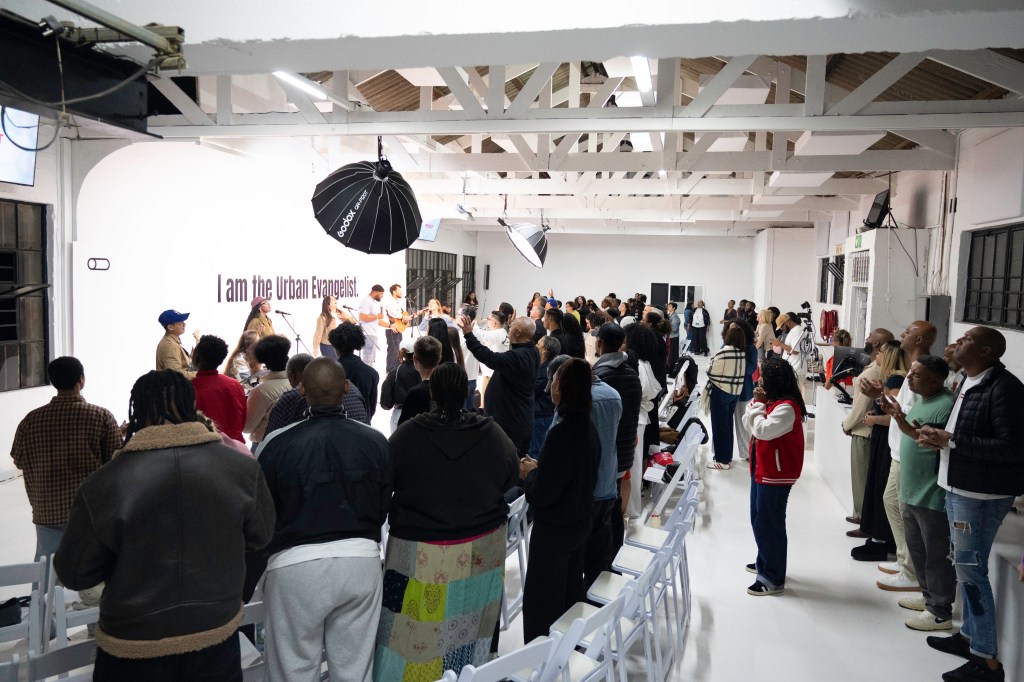
Perhaps that was what made this year’s Pentecost gathering at Beyond feel especially significant.
This year, circumstances invited us to do something different.
With the marathon road closures across the city making our usual Sunday morning gathering impossible, the church gathered instead on Saturday evening — on the eve of Pentecost Sunday.
It wasn’t what we had planned.
But then again, Pentecost has never belonged to human planning.
And so rather than seeing disruption, we recognised invitation.
Like the disciples instructed by Jesus before His ascension, we gathered and waited.
Waited in expectation.
Waited in obedience.
Waited for a fresh outpouring.
Waited for fire.
And Holy Spirit moved powerfully.
What took place became more than a change of schedule or a commemorative gathering. It became a reminder that no road closure, no altered plan, and no shift in timing can stop a people hungry for the presence of God.
Because the Church has always been at her strongest when she gathers with expectation.
And as the evening unfolded, it became clear that this was not merely a teaching about Holy Spirit.
It was a call.
A confrontation with a quieter question sitting beneath much of modern Christianity:
What if salvation was never meant to be the finish line?
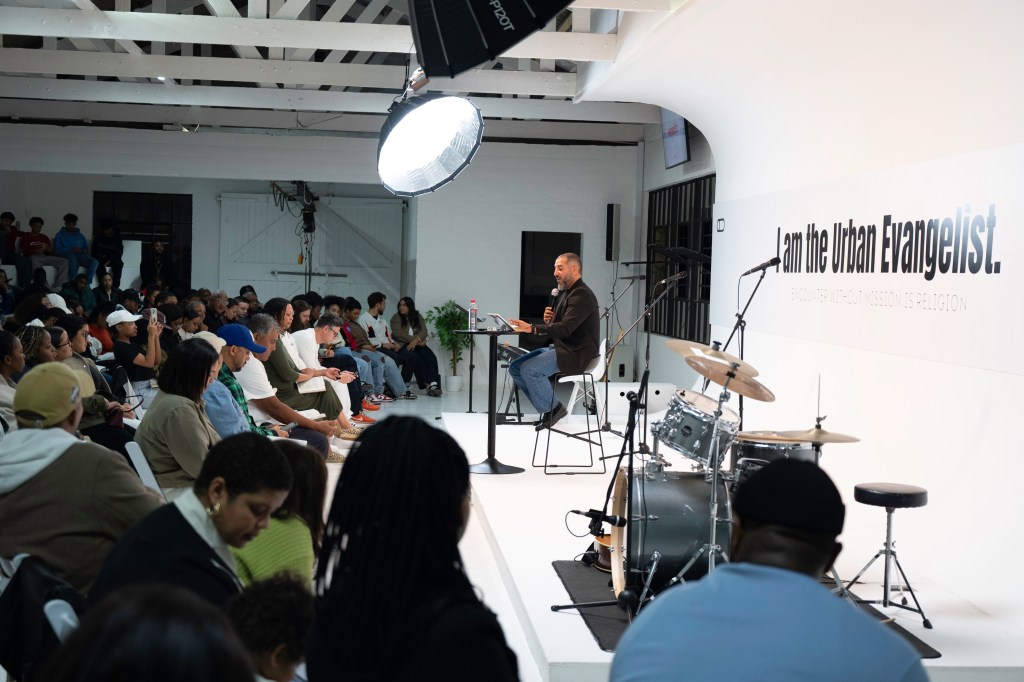
Throughout the evening, Pastor B returned repeatedly to a tension that has existed since the earliest believers gathered in the upper room.
The tension between receiving Jesus… and being empowered by His Spirit.
The tension between being alive in Christ… and living activated in Christ.
And perhaps most provocatively:
The tension between attending church and becoming witnesses.
Drawing from Acts 1, Pastor B revisited Jesus’ final recorded instruction before His ascension.
Not advice.
Not inspiration.
Instruction.
“Do not leave Jerusalem… wait for the promise of the Father.”
And then the words that became the anchor of the night:
“But you shall receive power when the Holy Spirit has come upon you; and you shall be witnesses to Me…”
The emphasis was unmistakable.
Jesus did not send the disciples immediately.
He instructed them to wait.
Not because they lacked belief.
Not because they lacked revelation.
But because belief alone was never intended to sustain the assignment.
The Christian life was never meant to be lived through conviction alone.
It was always meant to be empowered by the Spirit.
SALVATION WAS THE BEGINNING — NOT THE DESTINATION
One of the most arresting ideas to emerge from the message was Pastor B’s distinction between receiving Holy Spirit at salvation and receiving the empowering work of Holy Spirit for Kingdom function.
The room was invited to wrestle with a difficult possibility:
What if many believers have mistaken entry for fullness?
Pastor B pointed to the disciples themselves.
These were not unbelievers.
They had walked with Jesus.
Seen miracles.
Witnessed the resurrection.
Jesus had already breathed on them and said, “Receive the Holy Spirit.”
Yet still He told them:
Wait.
Because there was more.
Not more of God’s love.
Not greater acceptance.
But greater empowerment.
The message framed Pentecost not as a historical event to admire but as an invitation to enter.
Not merely the Spirit within for regeneration.
But the Spirit upon for witness.
Not simply life.
Mission.
THE CHURCH WAS NEVER DESIGNED TO OPERATE NATURALLY
Again and again, Pastor B challenged what has quietly become normal in modern faith.
Living exhausted.
Trying harder.
Operating beneath the authority and empowerment available through the Spirit.
The language of Acts became deeply practical.
The power Jesus promised was described not as emotional hype or spiritual spectacle, but as divine enablement.
Wisdom where human understanding reaches its limit.
Strength where natural capacity ends.
Strategy where confusion dominates.
Counsel where culture becomes noisy.
Pastor B painted a picture of a Church that was never meant to survive the world through effort alone.
The invitation of Pentecost was never self-improvement.
It was empowerment.
The disciples themselves became the evidence.
Before Pentecost:
Fear.
Hiding.
Confusion.
After Pentecost:
Boldness.
Clarity.
Movement.
Public witness.
The difference was not personality.
The difference was power.
THE BATTLE FOR THIS GENERATION IS FORMATION
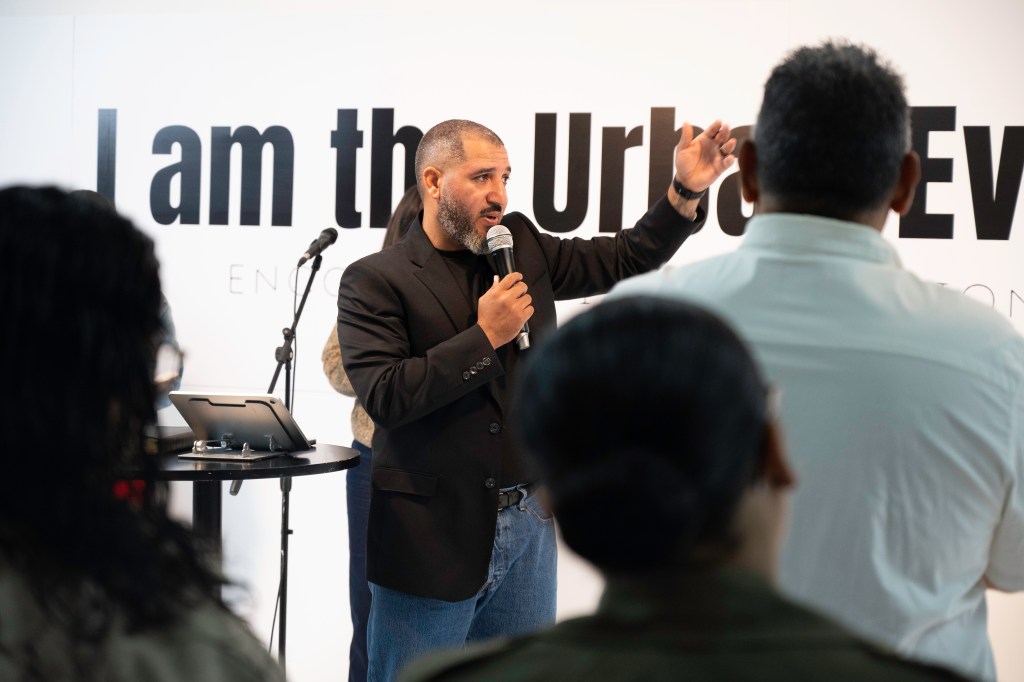
At one point, Pastor B made an observation that seemed to cut beneath surface-level spirituality.
Every generation is shaped by something.
Every person is discipled by something.
Culture.
Algorithms.
Success.
Fear.
Identity.
Voices.
But Pentecost presents another possibility.
To become shaped by the Spirit.
Because the deeper invitation of Holy Spirit is not merely gifting.
It is transformation.
Holy Spirit is not simply someone who visits moments.
He walks with people.
Not an event.
A companion.
Not an atmosphere.
A person.
And perhaps that became one of the strongest reframes of the evening.
The issue is not whether Holy Spirit is present.
The question is whether believers are yielded.
BEYOND THE UPPER ROOM
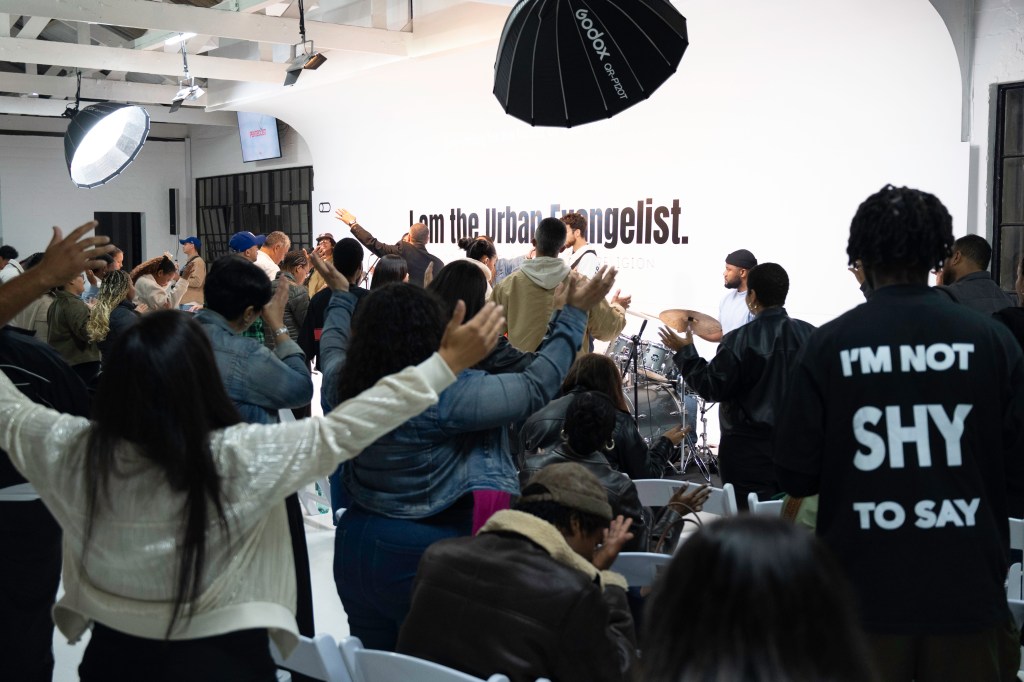
As the gathering drew toward response, the atmosphere shifted.
This no longer felt like theology.
It felt like commissioning.
Pastor B brought the room back to a deeply personal invitation:
Would we allow Holy Spirit to lead?
To interrupt?
To direct?
To shape?
To fill?
To speak?
To empower?
Because Pentecost was never meant to produce spectators.
It produced witnesses.
Not people with spiritual language.
People with spiritual lives.
And that is why Pentecost still matters.
Not because something happened 2,000 years ago.
But because Heaven still desires to break into ordinary rooms.
Still desires ordinary people.
Still desires to move.
The invitation remains.
Not only:
“Come to Jesus.”
But:
“Wait. Receive. Be empowered. Go.”
 Beyond Sunday
Leave a comment